# Tax Consulting Services by JPC Advisers Inc.: Maximize Your Deductions Navigating the complexities of tax regulations can be a daunting task for small to medium-sized businesses and individual clients. Many find themselves overwhelmed by the intricacies of tax codes, leading to missed opportunities for deductions and credits. At JPC Advisers Inc., we understand these challenges and are dedicated to providing expert tax consulting services tailored to your unique financial situation. Our goal is to help you maximize your deductions, ensuring that you retain more of your hard-earned money. ## Understanding Tax Optimization: The Core of Our Services Tax optimization is not just about filing your taxes correctly; it’s about strategically planning your financial activities to minimize your tax liability. At JPC Advisers Inc., we focus on several key areas to help you achieve optimal tax outcomes: 1. **Comprehensive Tax Planning:** We assess your financial situation to develop a personalized tax strategy that aligns with your business goals or personal financial objectives. This includes evaluating your income sources, expenses, and potential deductions. 2. **Deduction Strategies:** We identify all eligible deductions specific to your industry or personal circumstances. For instance, small business owners might overlook deductions related to home office expenses, vehicle usage, or business travel. Our team ensures that you capitalize on every available deduction. 3. **Tax Credits:** Understanding the difference between deductions and credits is crucial. While deductions reduce your taxable income, credits directly reduce your tax bill. We keep you informed about available tax credits that may apply to your situation, such as the Research & Development Tax Credit or the Work Opportunity Tax Credit. 4. **Entity Structure Optimization:** The structure of your business (LLC, S-Corp, etc.) can significantly impact your tax obligations. We analyze your current structure and recommend adjustments that could lead to substantial tax savings. 5. **Ongoing Compliance and Support:** Tax laws are constantly evolving. Our team stays updated on the latest changes in tax legislation to ensure your compliance while maximizing your deductions. By focusing on these areas, we empower our clients to make informed financial decisions that enhance their tax positions. ## Practical Steps to Maximize Your Deductions Maximizing your deductions requires a proactive approach. Here are practical steps you can take with the guidance of JPC Advisers Inc.: 1. **Keep Detailed Records:** Maintain accurate records of all income and expenses. Utilize accounting software to track your financial transactions throughout the year. This will simplify the process when it’s time to file your taxes. 2. **Review Past Tax Returns:** Analyze previous tax returns to identify missed deductions or credits. Our team can assist you in amending past returns if we find opportunities for additional savings. 3. **Consult Regularly:** Schedule regular consultations with our tax experts. This ensures that you are aware of any changes in tax laws that could affect your deductions and allows us to adjust your strategy accordingly. 4. **Utilize Tax-Advantaged Accounts:** Contribute to retirement accounts or health savings accounts (HSAs) that offer tax benefits. These contributions can lower your taxable income while helping you save for the future. 5. **Plan Major Purchases:** Timing your purchases can have tax implications. For example, if you’re considering buying new equipment for your business, consult us to determine the best timing for maximizing deductions. 6. **Leverage Depreciation:** If you own property or equipment, understanding depreciation can lead to significant deductions. We help you navigate the complexities of depreciation schedules to ensure you’re taking full advantage. By implementing these strategies, you can effectively reduce your taxable income and maximize your deductions. ## Common Mistakes in Tax Consulting and How to Avoid Them Even with the best intentions, clients often make mistakes that can lead to missed deductions or increased tax liabilities. Here are some common pitfalls and how to avoid them: 1. **Neglecting to Track Expenses:** Failing to keep track of all business-related expenses can lead to missed deductions. Use apps or software to log expenses as they occur. 2. **Overlooking Changes in Tax Laws:** Tax regulations change frequently. Many clients are unaware of new deductions or credits available to them. Regular consultations with our team can help you stay informed. 3. **Inaccurate Reporting:** Errors in reporting income or expenses can trigger audits and penalties. We ensure that your financial statements are accurate and compliant with IRS regulations. 4. **Ignoring State Taxes:** Many clients focus solely on federal taxes and overlook state tax obligations. Our comprehensive approach includes both state and federal tax considerations. 5. **Failing to Plan Ahead:** Waiting until tax season to think about deductions can result in missed opportunities. We advocate for year-round tax planning to optimize your financial outcomes. Avoiding these common mistakes can significantly enhance your tax position and ensure compliance with tax regulations. ## Frequently Asked Questions ### What is tax consulting? Tax consulting involves providing expert advice and strategies to individuals and businesses to minimize their tax liabilities and maximize deductions. ### How can JPC Advisers help with tax optimization? We analyze your financial situation and develop tailored strategies to ensure you take advantage of all eligible deductions and credits, optimizing your overall tax position. ### What are some common deduction strategies? Common strategies include maximizing business expense deductions, utilizing tax-advantaged accounts, and leveraging depreciation on assets. ### How often should I consult with a tax advisor? We recommend regular consultations, at least quarterly, to ensure you are informed of any changes in tax laws and to adjust your strategies as needed. ### Can I amend past tax returns for missed deductions? Yes, if we identify missed deductions on past returns, we can assist you in filing amendments to potentially recover lost savings. ### What documents do I need for tax consulting? You should have records of all income, expenses, previous tax returns, and any relevant financial documents ready for our review. ### How does entity structure affect my taxes? The structure of your business can impact your tax obligations. We analyze your situation to recommend the most tax-efficient structure for your needs. ## Conclusion In conclusion, effective tax consulting is essential for maximizing your deductions and optimizing your overall tax strategy. At JPC Advisers Inc., we are committed to being your trusted partner in navigating the complexities of tax regulations. Here are three key takeaways: 1. **Proactive Planning is Crucial:** Regular consultations and strategic planning can lead to significant tax savings. 2. **Detailed Record-Keeping is Essential:** Accurate documentation of income and expenses is vital for maximizing deductions. 3. **Stay Informed on Tax Changes:** The tax landscape is ever-evolving; staying informed can help you capitalize on new opportunities. Let us help you navigate the complexities of tax consulting. Contact JPC Advisers Inc. today to schedule your consultation and start maximizing your deductions.
Author: Lori Gyulasi
Small Business Payroll Compliance Checklist
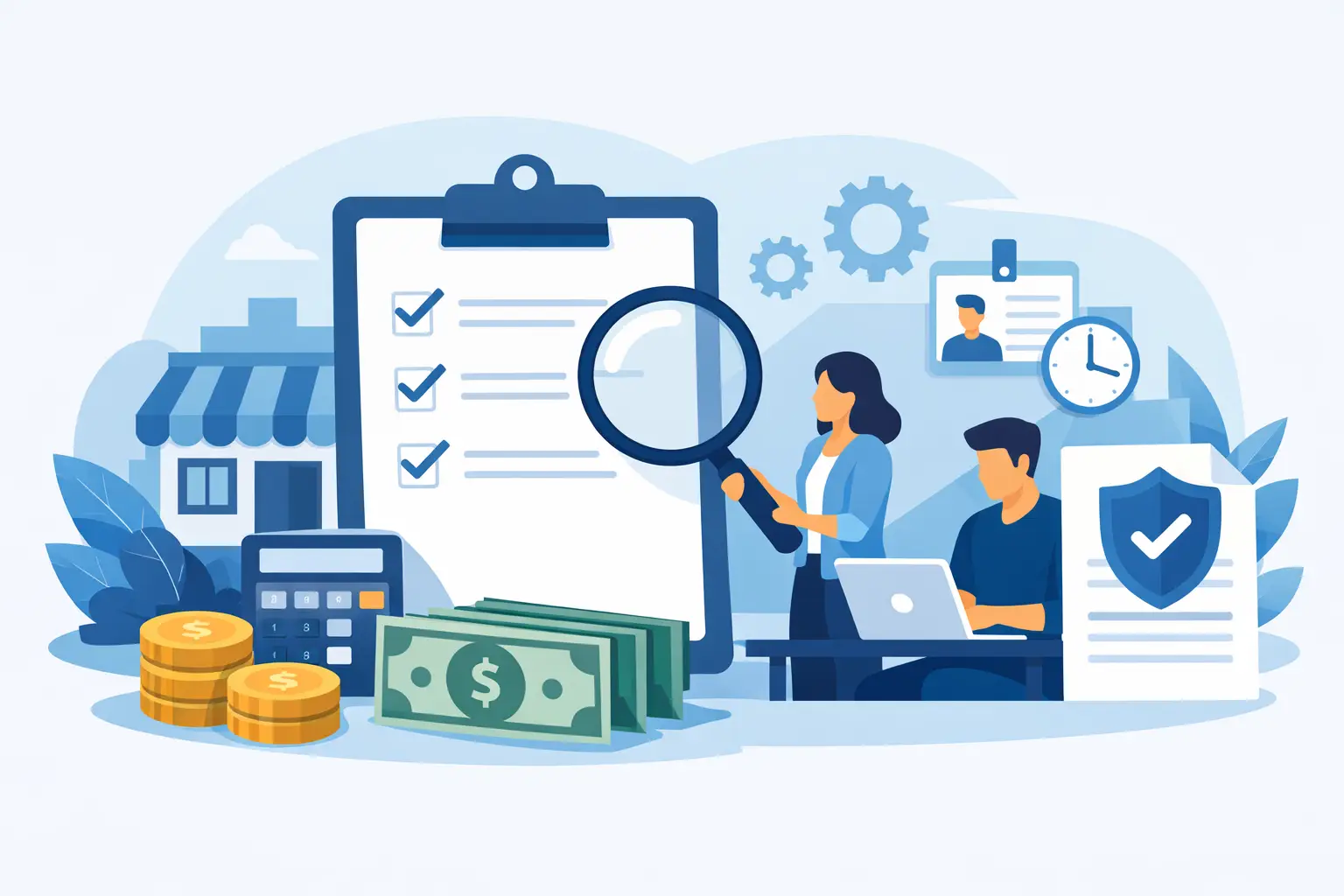
Missing one payroll tax deadline can turn a normal pay period into a costly problem. For many owners, a small business payroll compliance checklist is less about paperwork and more about protecting cash flow, employee trust, and time.
Payroll compliance is not just about paying people on schedule. It means classifying workers correctly, withholding the right taxes, filing forms on time, keeping complete records, and staying current with changing federal, state, and local rules. For a small business, those details matter because even a minor oversight can lead to penalties, notices, and avoidable stress.
What a small business payroll compliance checklist should cover
A useful checklist should follow the real life payroll cycle, not just a list of tax forms. That means starting with how employees are hired, moving through each payroll run, and ending with reporting, record retention, and year-end responsibilities.
Some businesses only need a straightforward process with hourly employees and one state tax account. Others have contractors, salaried staff, bonuses, paid time off, garnishments, or multistate payroll. The core checklist is similar, but the level of oversight should match the complexity of your workforce.
Start with worker classification
One of the most expensive payroll mistakes happens before the first paycheck is issued. If you classify someone as an independent contractor when they should be treated as an employee, the business can face back taxes, penalties, and interest.
The question is not what the worker prefers or what is easier administratively. It comes down to the nature of the relationship, including who controls the work, how the worker is paid, and whether the role is part of the core business. If the answer is unclear, that is a sign to slow down and review it before payroll begins.
Confirm all new hire documentation
Every employee should complete the proper onboarding forms before the first payroll is processed. That typically includes Form W-4, Form I-9, any required state withholding forms, and direct deposit authorization if you offer electronic payment.
You should also report new hires to the appropriate state agency within the required timeframe. This step is easy to miss when hiring moves quickly, but it is part of compliance and supports child support enforcement systems.
Payroll setup items that need to be right from the start
A clean setup prevents repeated errors later. Before running payroll, make sure the business has the required federal, state, and local tax registrations in place. That includes your EIN and any payroll tax accounts tied to withholding, unemployment, or local income tax obligations.
Pay frequency should also be reviewed carefully. State rules can affect how often certain employees must be paid, and your payroll calendar should account for holidays, bank processing times, and deposit due dates. If your system is set up casually at the beginning, small timing mistakes can turn into recurring compliance issues.
Compensation settings matter too. Hourly rates, salary amounts, overtime rules, deductions, benefit elections, and paid time off policies should all be entered accurately. Businesses often focus on gross pay and overlook deduction setup, but errors in pre-tax and after-tax withholding can create problems for both the employer and the employee.
Review wage and hour compliance
Payroll compliance goes beyond taxes. Wage and hour rules are just as important, especially for businesses with nonexempt employees.
Make sure time tracking is accurate, meal and rest break rules are followed where applicable, and overtime is calculated correctly. This is where many owners rely too heavily on assumptions. A salaried employee is not automatically exempt from overtime, and job title alone does not decide exemption status. Duties and compensation thresholds both matter.
Your checklist for every payroll run
Each payroll should follow the same review process. Consistency reduces mistakes and gives you a way to catch issues before money goes out the door.
Confirm employee hours, salary changes, commissions, bonuses, reimbursements, and any special deductions before processing. Review paid time off entries and leave balances for accuracy. If an employee had a change in withholding, benefits, or garnishment status, that update should be reflected before the payroll is finalized.
Then verify tax withholdings and employer tax calculations. Even if software handles the math, someone should still review the output. Payroll systems are only as accurate as the information entered into them.
After processing, confirm that direct deposits, paper checks, and payroll reports match the approved payroll register. If something looks off, it is far easier to correct it immediately than after employees have been paid.
Watch for deductions and special payments
Deductions are a common trouble spot. Health insurance premiums, retirement plan contributions, wage garnishments, and other withholdings need to be calculated and remitted properly. Some deductions have strict ordering rules or legal limits.
Bonuses and other supplemental wages can also require special attention. The tax treatment may differ from regular wages, and if the payment is handled incorrectly, employees may be surprised by the withholding or the company may underpay tax.
Tax deposits and filings cannot be an afterthought
Processing payroll is only part of the job. After wages are paid, the employer still has to deposit taxes and file required returns on time.
At the federal level, that usually includes income tax withholding, Social Security, Medicare, and unemployment reporting. State and local obligations vary, which is why businesses should not assume a payroll platform automatically covers every requirement in every jurisdiction.
Deposit schedules matter. Depending on the size of your payroll tax liability, your business may be required to deposit taxes monthly, semiweekly, or on another schedule. Filing late because you assumed all small businesses follow the same timetable is a common and avoidable mistake.
Your checklist should include a calendar for payroll tax deposits, quarterly filings, unemployment filings, local payroll returns, and annual forms such as W-2s and 1099s where applicable. If your business operates in multiple locations, this part of the checklist deserves extra attention.
Recordkeeping is part of payroll compliance
If a tax agency or labor authority asks questions, records are what protect you. Good payroll recordkeeping should document wages, hours, tax withholdings, benefit deductions, employee authorizations, and filed returns.
Keep payroll registers, tax filings, deposit confirmations, timesheets, onboarding documents, and year-end forms organized and accessible. Retention periods can vary depending on the record type, so this is not an area to handle casually.
Digital storage can make recordkeeping easier, but organization matters more than format. If documents are spread across email, spreadsheets, and paper folders, retrieving complete payroll support becomes difficult when you need it most.
The payroll compliance issues small businesses overlook
Most payroll problems do not come from ignoring the law. They come from growing quickly, relying on outdated processes, or assuming software replaces oversight.
A few examples show up often. An owner hires family members without updating payroll records properly. A manager gives someone a raise, but payroll is not informed in time. A business starts offering benefits but does not coordinate deductions correctly. A company expands to a new city and misses local withholding requirements.
None of these are unusual. They are also exactly the kind of issues that a practical small business payroll compliance checklist should catch.
When DIY payroll stops making sense
Handling payroll internally can work well for a very small team with simple compensation structures. It gives owners direct visibility and may appear less expensive at first.
But the trade-off is time and risk. As the business adds employees, benefits, paid leave, or tax complexity, payroll becomes harder to manage accurately without dedicated oversight. The cost of one mistake can wipe out the savings of doing it yourself.
That is why many business owners move from basic processing to advisory support. A good payroll process does not just issue checks. It helps the business stay current, avoid penalties, and respond quickly when employee or tax situations change.
A practical review schedule for your checklist
Your payroll process should be reviewed at more than one point in the year. Before each payroll, focus on wages, time, deductions, and approvals. Quarterly, review filings, tax deposits, and any changes to employee status or compensation. At year-end, reconcile payroll reports, verify W-2 information, and confirm that records are complete.
An annual compliance review is also worthwhile, especially if the business has grown, changed systems, or expanded operations. That is often when hidden setup errors come to light.
For businesses that want fewer surprises, working with a provider that understands payroll, bookkeeping, and tax compliance together can make a real difference. Firms like JPC Advisers often see the issues that fall between departments because payroll does not exist in a vacuum.
A strong checklist will not eliminate every payroll question, but it will give your business a repeatable process for handling them before they turn into penalties or frustrated employees. When payroll is accurate and compliant, the entire business runs with less stress.
What Is Payroll Compliance for Employers?
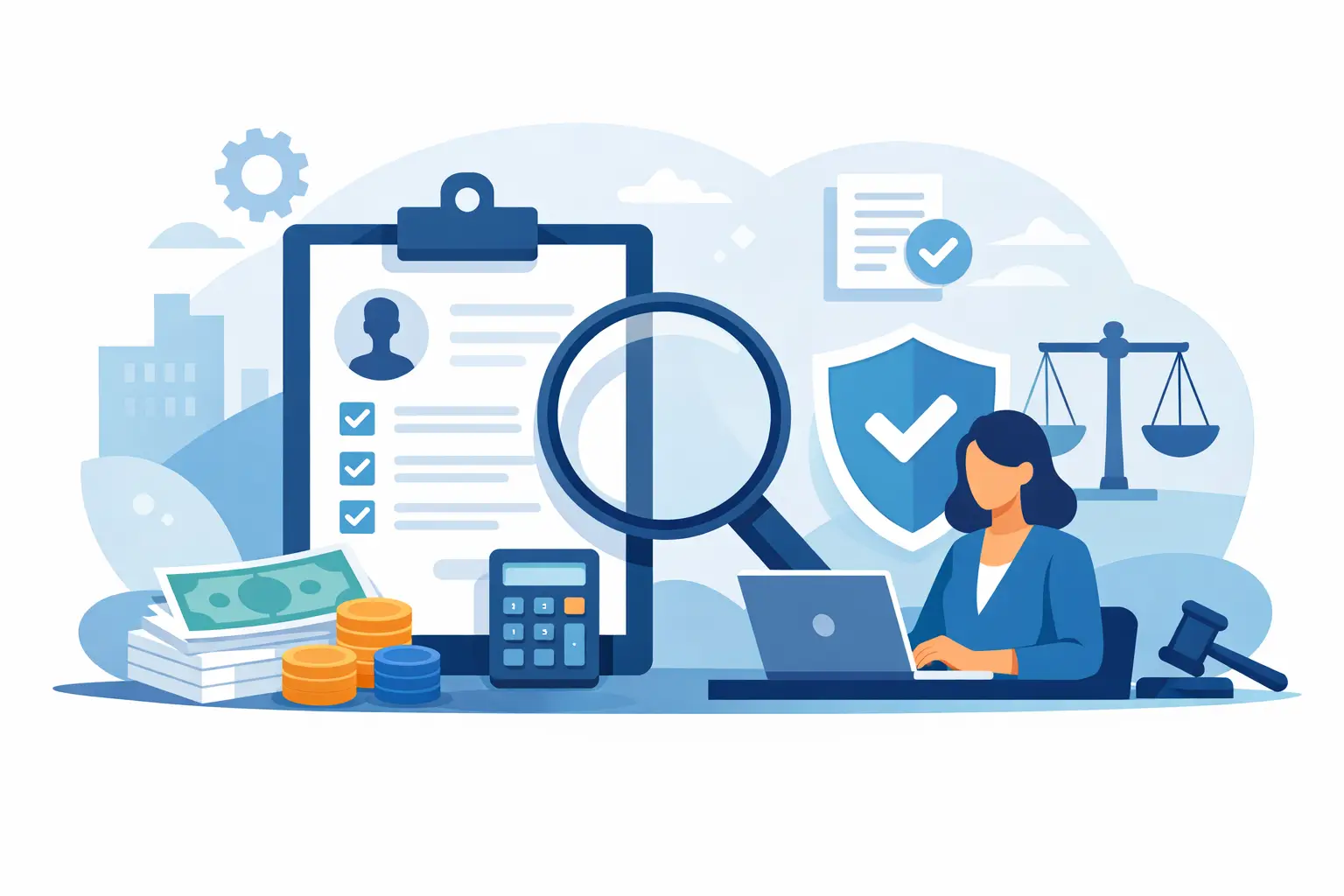
One missed tax deposit or overtime mistake can create a much bigger problem than most business owners expect. If you have employees, what is payroll compliance becomes more than a definition – it is the set of rules that keeps your payroll accurate, your taxes filed correctly, and your business out of avoidable trouble.
Payroll compliance means following all federal, state, and local laws that govern how employees are paid and how payroll taxes are calculated, withheld, reported, and remitted. It also includes proper worker classification, accurate recordkeeping, and meeting deadlines for forms and payments. In plain terms, payroll compliance is about paying people correctly, paying government agencies correctly, and proving you did both.
For small and mid-sized businesses, that can feel like a lot to manage. Payroll is not just cutting checks or running direct deposit. Every pay period touches tax law, labor law, benefits deductions, and reporting requirements. When those pieces are handled well, payroll runs quietly in the background. When they are not, the costs can show up fast through penalties, employee complaints, cash flow issues, and time-consuming corrections.
What is payroll compliance in practice?
In practice, payroll compliance is the day-to-day process of making sure every part of payroll follows current rules. That starts before the first paycheck. Employers need correct employee information, tax withholding forms, pay rates, exemption status, and a clear understanding of whether a worker is an employee or an independent contractor.
From there, compliance continues each pay cycle. Hours must be tracked accurately. Overtime must be calculated according to the law. Wages must meet minimum wage requirements. Payroll taxes must be withheld properly. Employer taxes must be calculated and paid on time. Pay stubs, year-end forms, and payroll records all need to match what was actually paid.
The details vary based on your business. A company with salaried office staff has different payroll risks than a restaurant with tipped workers or a contractor with mixed crews and changing job sites. That is why payroll compliance is not one fixed checklist. The rules apply broadly, but how they affect your business depends on your workforce, industry, pay structure, and location.
The core parts of payroll compliance
Most payroll compliance issues fall into a handful of categories. The first is wage and hour compliance. This includes minimum wage, overtime, meal and rest break rules where applicable, final pay requirements, and making sure employees are paid for all compensable time. A common mistake is assuming a salaried employee is automatically exempt from overtime. That is not always true. Exemption depends on salary level and job duties, not just how someone is paid.
The second is tax compliance. Employers must withhold federal income tax, Social Security, and Medicare taxes from employee wages, and they must also pay the employer share of certain payroll taxes. Depending on the business, this may also include federal unemployment tax, state income tax withholding, and state unemployment taxes. These amounts must be deposited on the correct schedule and reported on the right forms.
The third is worker classification. Misclassifying an employee as an independent contractor can lead to unpaid payroll taxes, penalties, and back wages. Misclassifying a nonexempt employee as exempt can lead to overtime claims. Both problems are common because business owners often rely on assumptions instead of legal standards.
The fourth is recordkeeping and reporting. Payroll records need to be complete and organized. Employers should be able to show hours worked, wages paid, tax withholdings, tax deposits, and filed forms. Good records do not just support compliance. They also make audits, employee questions, and year-end reporting much easier to handle.
Why payroll compliance matters so much
Payroll errors can be expensive, but the larger issue is disruption. A tax notice, a wage complaint, or an audit pulls attention away from running the business. Even a small error can take hours to sort out if records are incomplete or multiple filings need to be amended.
There is also the employee side of the equation. People expect to be paid correctly and on time. If withholding is off, overtime is missed, or paychecks are inconsistent, trust can erode quickly. For many employers, payroll is one of the clearest signals of whether the business is organized and dependable.
Compliance also affects planning. Accurate payroll supports cleaner bookkeeping, more reliable cash flow management, and better tax preparation. If payroll is wrong, financial reporting often becomes wrong too. That can create a chain reaction that affects budgeting, estimated tax planning, and year-end decisions.
Common payroll compliance mistakes
Many payroll problems are not caused by neglect. They happen because rules change, processes grow outdated, or the business outgrows the system it started with. One common issue is missing tax deposit deadlines. Another is using the wrong withholding setup because employee forms were not updated or entered correctly.
Overtime mistakes are also common, especially when businesses have a mix of hourly and salaried staff. Some employers fail to include bonuses or certain other compensation when calculating overtime rates. Others do not track all hours worked, especially when employees answer calls, check emails after hours, or travel between job sites.
Classification errors deserve special attention. It may feel simpler to pay a worker as a contractor, but the legal test is not based on convenience. The same is true for exempt status. Titles alone do not determine whether overtime rules apply.
Another weak point is state and local compliance. Federal rules matter, but they are not the whole picture. State payroll tax rules, unemployment requirements, wage payment laws, and local tax obligations can create additional layers that employers need to manage carefully.
How to stay compliant without creating more work
The goal is not to make payroll more complicated. It is to make it more controlled. That starts with having a clear payroll process from onboarding through year-end reporting. New hire forms should be collected and reviewed promptly. Pay policies should be documented. Time tracking should be reliable. Payroll reports should be reviewed before funds are released, not after a problem appears.
It also helps to revisit your payroll setup regularly. Businesses change. You may add employees, expand into new jurisdictions, offer new benefits, or shift compensation structures. A payroll process that worked when you had three employees may not hold up when you have fifteen.
Technology can help, but software is not a complete answer. Payroll systems are only as accurate as the data and settings behind them. If overtime rules, tax rates, or employee classifications are wrong in the system, the software will process the wrong result very efficiently.
That is why many business owners rely on professional payroll support. When payroll is handled with oversight from people who understand tax filings, reporting deadlines, and compliance requirements, there is less guesswork. For businesses that already need bookkeeping, tax preparation, or advisory support, having payroll connected to those services can also reduce duplicate work and catch issues earlier.
What business owners should watch most closely
If you want to reduce payroll risk, focus on the areas where errors tend to multiply. Worker classification is one. Overtime calculations are another. Payroll tax deposits and quarterly filings should never be treated as tasks that can wait until there is extra time.
It is also worth watching year-end reporting closely. W-2 forms, contractor reporting where applicable, and payroll reconciliations should line up with what was processed during the year. If they do not, that usually signals an earlier issue that needs correction.
Finally, remember that compliance is not static. Wage thresholds change. Tax rules change. State and local requirements change. Staying compliant is less about memorizing every rule and more about having a dependable process for keeping up.
For many Cleveland-area employers, that is where practical support makes the difference. A firm like JPC Advisers can help business owners manage payroll in a way that supports compliance, reduces stress, and keeps financial operations moving without constant firefighting.
Payroll compliance can sound technical, but the real goal is simple: pay your people correctly, meet your obligations on time, and keep your business on solid ground. When payroll is handled with care, you spend less time fixing mistakes and more time building the business you set out to run.